EMERGENCY HEALTHCARE IN LAGOS STATE THROUGH THE LENS OF SDG 3: GOOD HEALTH AND WELL-BEING
Author: Dr Oziegbe Oghide
Introduction
In rapidly urbanizing regions such as Lagos, one of Africa’s most densely populated cities, the effectiveness of emergency healthcare services plays a pivotal role in reducing preventable deaths and strengthening societal resilience.

Credit: via Google
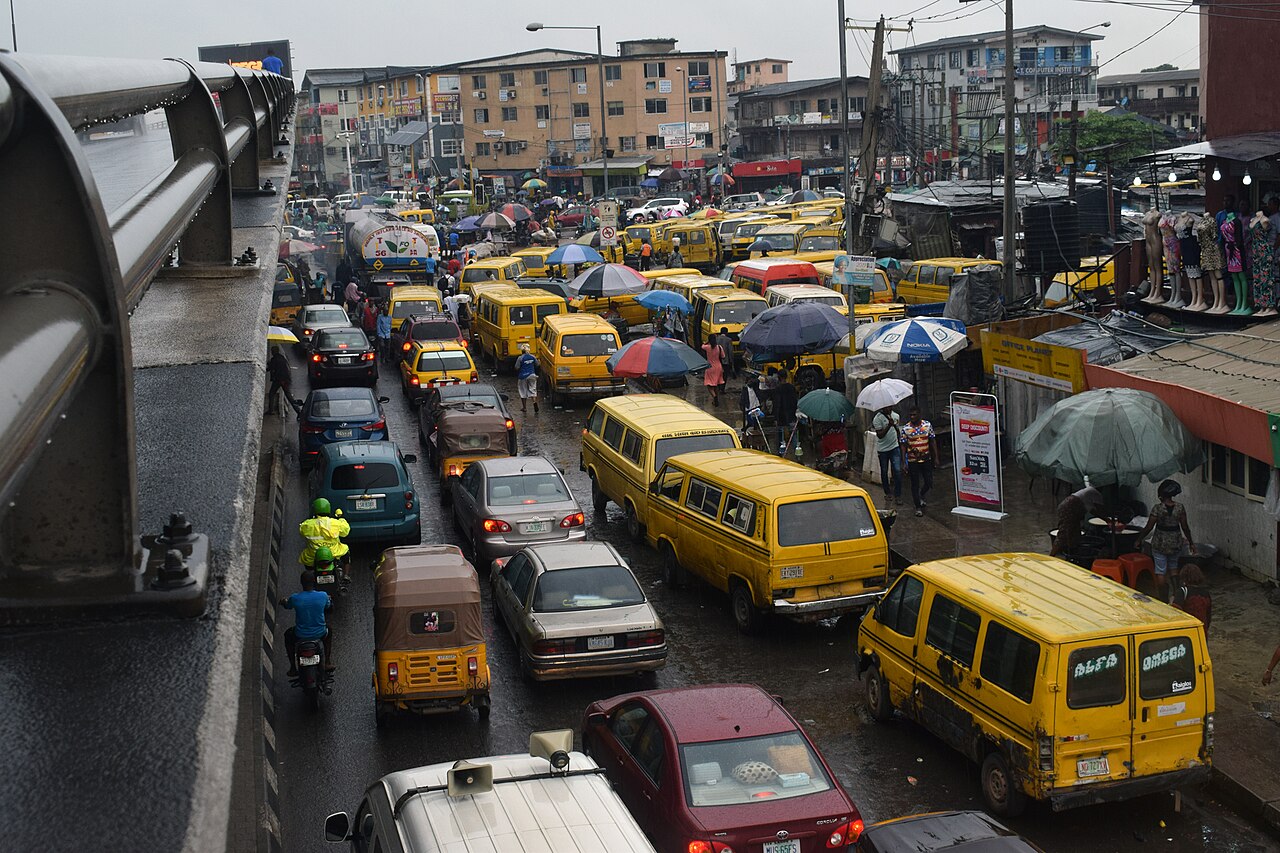
With a population exceeding 25 million, and one of the highest rates of road traffic injuries and urban emergencies in Nigeria - industrial accidents, communicable and non-communicable disease as well as periodic mass-casualty incidents (MCIs) – Lagos State places extreme demands on the emergency healthcare system. This makes the city a useful case study for evaluating progress toward UN Sustainable Development Goal 3. Targets of particular concern are those related to reducing mortality, ensuring access to healthcare, strengthening emergency preparedness, and improving health workforce capacity.
Credit: via Google
SDG 3 seeks to “ensure healthy lives and promote well-being for all at all ages.” One critical component of achieving this goal is the development of strong emergency healthcare systems capable of providing rapid, effective, and equitable responses to urgent medical needs.
This article is a critical exploration of emergency healthcare in Lagos state through the lens of SDG 3. It analyses the existing system’s structure, key challenges, progress made, and strategies required to align local emergency care with global sustainability goals.
A MULTI-LAYERED SYSTEM
Emergency healthcare in Lagos is delivered through a multi-layered system encompassing:
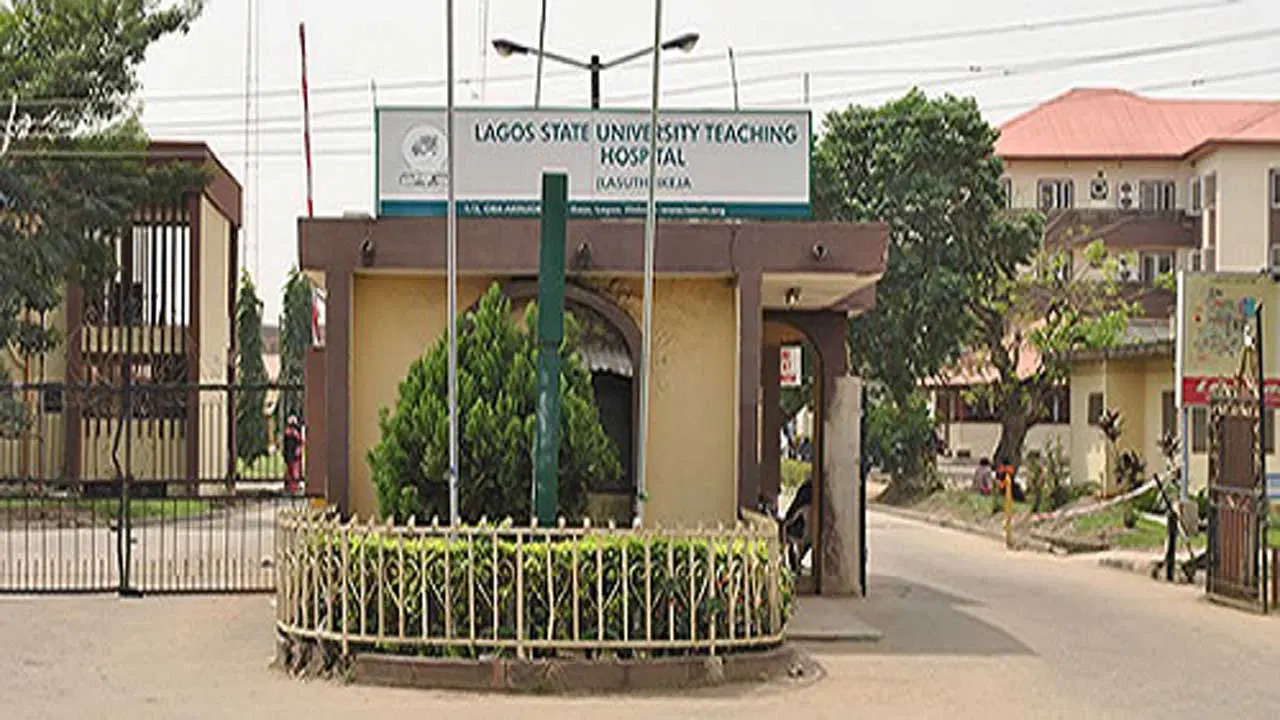
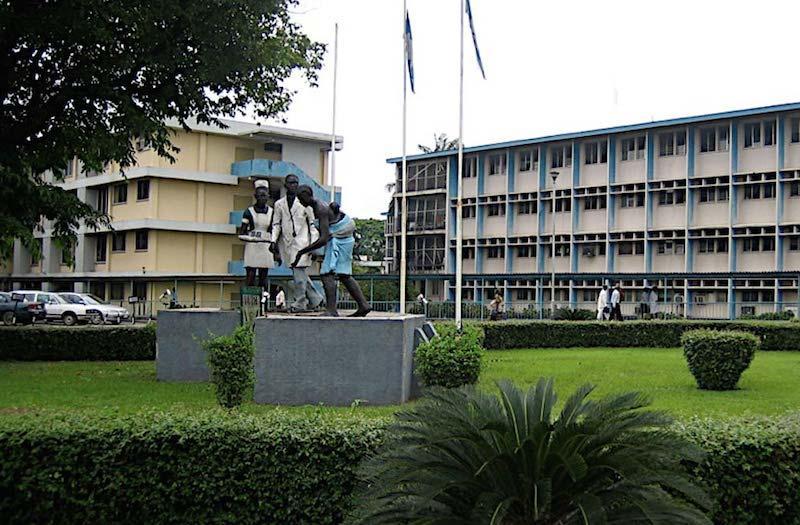
- Teaching hospitals, such as Lagos University Teaching Hospital (LUTH) and Lagos State University Teaching Hospital (LASUTH) which have a well-structured emergency medicine department
- Public hospitals (primary, secondary, and tertiary tiers).
- Specialized emergency response units, including the Lagos State Ambulance Service (LASAMBUS).
- Private hospitals and clinics.
- Disaster response bodies, including the Lagos State Emergency Management Agency (LASEMA).
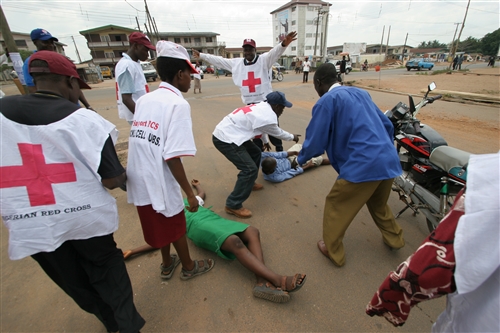
- Pre-hospital care providers, including the Nigerian Red Cross Society (NRCS), (Federal Road Safety Corps (FRSC), and informal first responders.
The Lagos State Government has made strides in strengthening emergency medical services (EMS) by establishing call centres, procuring ambulances, and improving emergency response coordination. Yet, the system remains burdened by a rapidly growing population, limited funding, inadequately trained personnel, and infrastructural weaknesses.
When viewed against SDG 3, the performance of emergency healthcare in Lagos becomes a reflection of broader national health system issues where progress exists but remains insufficient to meet global sustainability targets.
Credit: via Google
EMERGENCY HEALTHCARE AND SDG 3 TARGETS
- Target 3.4: Reduce premature mortality from non-communicable diseases and injuries.
- Target 3.6: Reduce global deaths from road traffic accidents.
- Target 3.8: Achieve universal health coverage (UHC), including financial risk protection.
- Target 3.d: Strengthen the capacity of all countries, in particular developing countries, for early warning, risk reduction and management of national and global health risks
Target 3.4 — Mortality from Non-Communicable Diseases (NCDs) and Injuries
Lagos records high rates of cardiovascular emergencies, stroke, diabetic crises, and hypertensive emergencies. Emergency departments are often overwhelmed, and delays in receiving life-saving interventions contribute to preventable deaths. Injuries from industrial accidents, building collapses, and interpersonal violence also strain emergency services. Strengthening pre-hospital care, rapid triage, and specialist emergency training are needed to reduce mortality.
Target 3.6 — Road Traffic Injuries
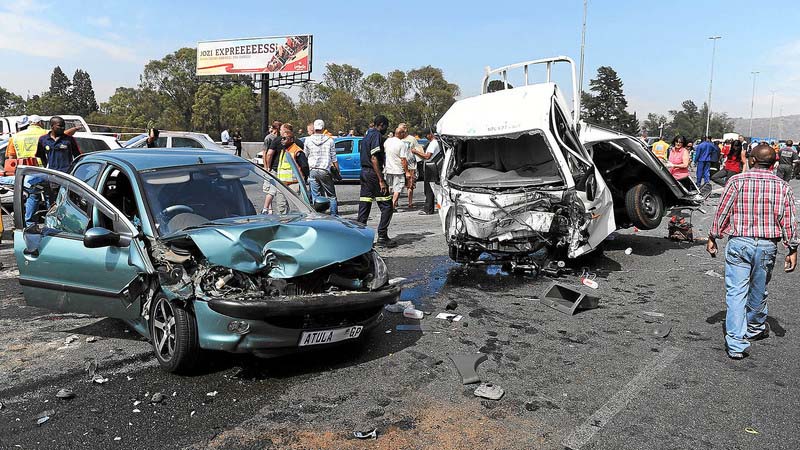
As a megacity with intense vehicular activity, Lagos reports one of the highest numbers of road traffic injuries in Nigeria. Responding to crashes requires efficient EMS, trauma care, and public awareness. Although FRSC and Lagos State Ambulance Service (LASAMBUS) respond to many incidents, response times remain inconsistent due to traffic congestion, limited ambulances, and poor coordination. Many of these cases that eventually get to the hospital confront other crises of logistics including lack of manpower.
Credit: via Google
Target 3.8 — Universal Health Coverage and Emergency Access
Out-of-pocket expenditure remains high in Lagos. Many emergency treatments require deposit payments, creating barriers to timely care. While Lagos has introduced a health insurance scheme (ILERA EKO), coverage is low, and many facilities lack essential emergency resources such as oxygen, functional diagnostic tools, and intensive care units—rendering the promise of Universal Health Coverage (UHC) incomplete.
Target 3.d — Health Emergency Preparedness
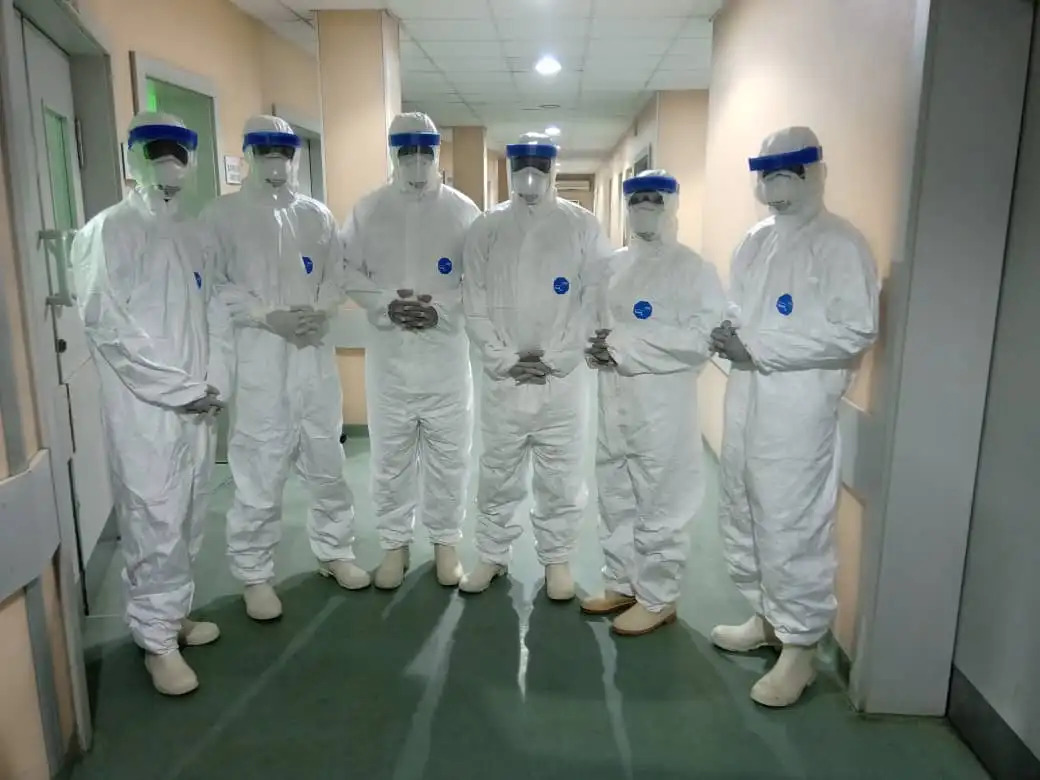
Preparedness for epidemics, disasters, MCIs, and pandemics is central to SDG 3. While LASEMA and the Ministry of Health have response frameworks, implementation challenges persist. The COVID-19 pandemic highlighted Lagos’s capacity for rapid mobilisation but also exposed gaps in surveillance, supply chain management, and surge capacity.
During the peak of the pandemic, we, at the emergency department of the Lagos University Teaching hospital (LUTH), played a pivotal role in the diagnosis and isolation of new cases by applying various clinical and radiological measures even before the confirmatory results, which helped to reduce the mortality in Lagos state.
Credit: via Google
KEY DIMENSIONS OF EMERGENCY HEALTHCARE IN LAGOS THROUGH THE LENS OF SDG 3
Pre-hospital Care and Emergency Response Systems
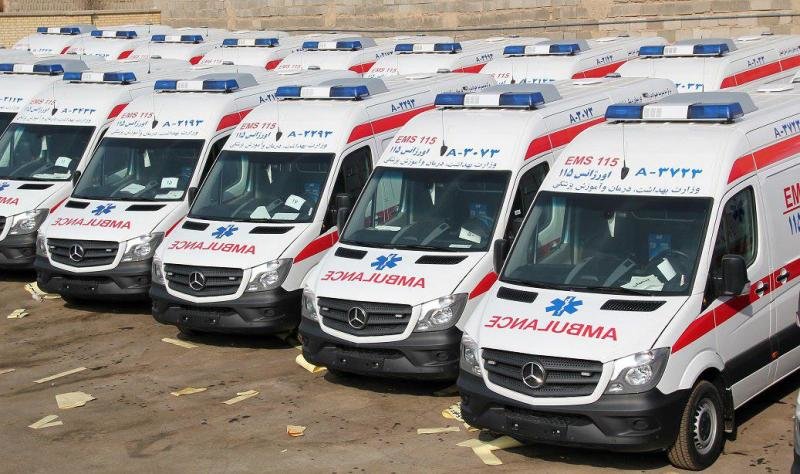
The pre-hospital sector including call centres, ambulance services, and first responders forms the foundation of an effective emergency system. LASAMBUS operates across major highways but remains under-resourced relative to demand. Response times are affected by:
- Urban congestion
- Limited distribution of ambulances
- Poor maintenance of emergency vehicles
- Public interference often driven by limited awareness of EMS functions
This undermines SDG 3’s goal of timely access to health services.

Credit: via Google
Emergency Care Infrastructure
Many public hospitals in Lagos have emergency units but lack:
- Modern trauma equipment
- Adequate bed spaces
- Efficient triage systems
- Sufficient oxygen supply and ventilators
- Reliable power supply
- Integrated information systems for patient handover from ambulances
Credit: via Google
These infrastructural gaps impede quality emergency care, undermining the realization of SDG 3.8 and 3.d.
Health Workforce Capacity
Emergency care requires specialists, emergency physicians, trauma nurses, EMTs, and paramedics. Lagos, however, suffers from:
- Shortage of skilled emergency clinicians due to the brain drain to other countries - the ‘Japa syndrome’ - the colloquial term for large-scale professional emigration
- High workload and burnout following low health workforce manpower
- Limited training opportunities
- Inconsistent continuing professional development
Without strengthening its workforce, Lagos cannot fully meet SDG 3 targets.
Governance, Management, and Funding
Effective emergency care relies on coordinated governance between ministries, agencies, and private actors.
Challenges include:
- Fragmentation between LASEMA, LASAMBUS, Teaching Hospitals, General Hospitals, and private EMS groups.
- Inadequate health budget allocation.
- Lack of unified data on emergencies, making planning difficult.
- Reliance on out-of-pocket emergency payments.
Situations where patients are referred to the emergency department of LUTH without prior information and adequate communication with the emergency team in order for the receiving hospital to prepare, are a very common scenario in Lagos State.
Emergency Preparedness for Disasters and Public Health Crises
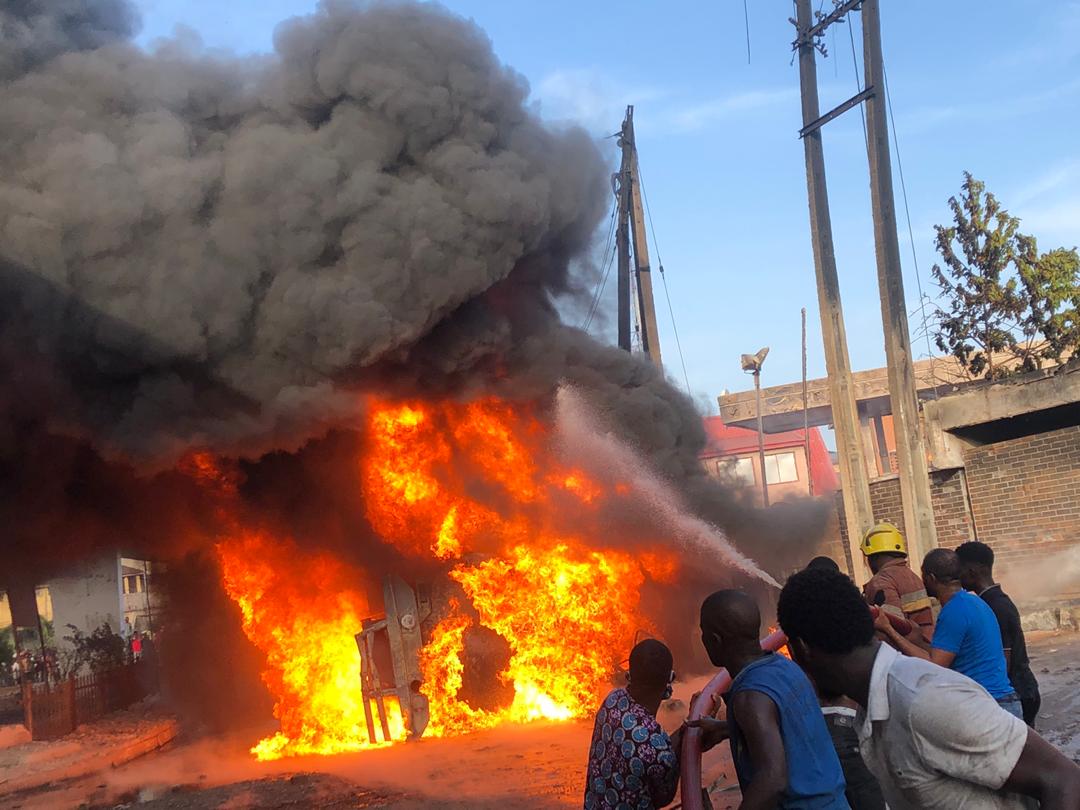
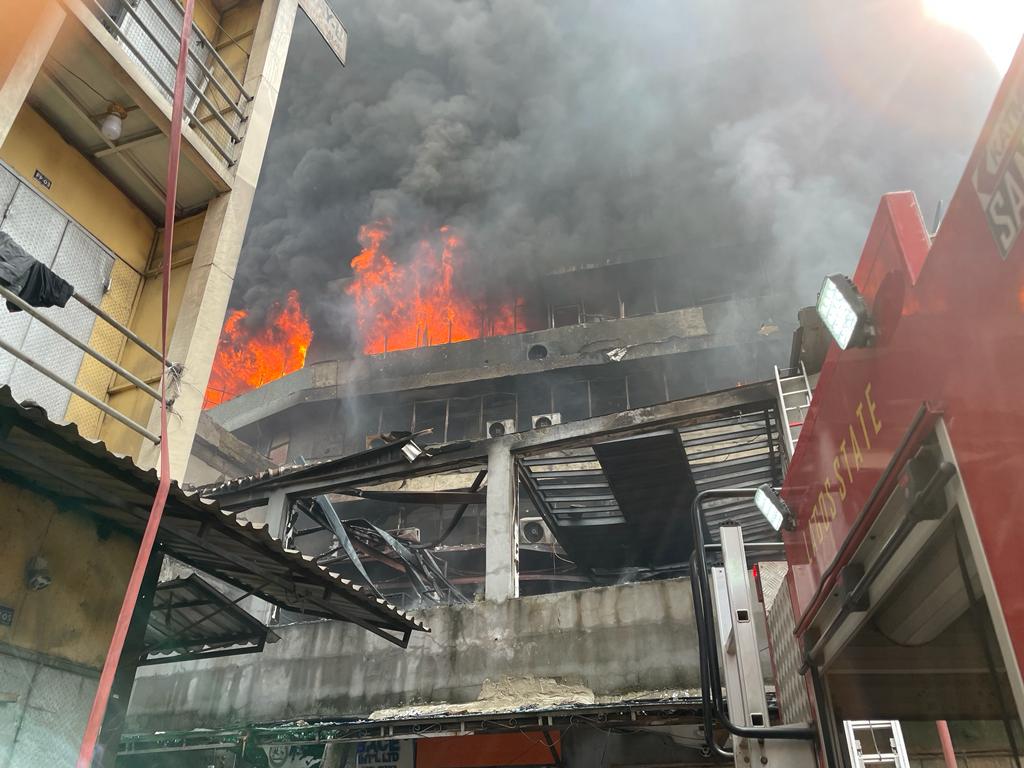
Lagos is exposed to numerous hazards:
- Flooding
- Fire outbreaks
- Industrial accidents
- Disease outbreaks (e.g., Lassa fever, COVID-19).
- Building collapses.
- Transportation accidents (road and waterways).
The state has developed emergency response frameworks, including the Emergency Response Plan and Incident Command System (ICS), yet challenges persist:
- Delayed activation of response mechanisms.
- Poor inter-agency communication.
- Insufficient drills and simulations.
- Inadequate stockpiling of emergency resources.
Strengthening these areas supports SDG target 3.d.
Credit: via Google
Strategies for Strengthening Emergency Healthcare in Lagos to achieve SDG 3
Expand and Modernize Pre-hospital Care
- Increase ambulance numbers and strategically locate them.
- Train more Emergency Medical Technicians.
- Introduce motorcycle ambulances for congested areas.
- Broaden the implementation of GPS-enabled dispatching systems.
- Create dedicated emergency lanes on major roads.
Strengthen Hospital Emergency Departments
- Upgrade infrastructure and equipment.
- Implement standard triage protocols.
- Ensure uninterrupted power and oxygen supply.
- Create integrated emergency information systems.
Build Workforce Capacity
- Establish specialized emergency medicine training programs.
- Introduce continuous professional development for nurses and physicians.
- Provide incentives to retain trained emergency staff.
Improve Governance and Financing
- Increase budget allocation for emergency care.
- Strengthen coordination between the Lagos State Emergency Management Agency (LASEMA), LASAMBUS, and hospitals.
- Expand health insurance to cover emergency services fully.
- Develop a centralized emergency care database.
Enhance Community and Public Health Preparedness
- Conduct regular simulation exercises for MCIs and epidemics.
- Strengthen disease surveillance.
- Expand risk communication and community engagement programs.
- Train community responders in basic life support.
Promote Partnerships
Collaborations with NGOs, private hospitals, and global institutions such as the World Health Organization (WHO), the Red Cross Movement, and development banks, can strengthen funding, paramedic training, and the adoption of lifesaving technologies like GPS-enabled dispatch systems and tele-emergency care.
Credit: via Google
Conclusion
Emergency healthcare is central to achieving SDG 3 in Lagos State, as it directly affects mortality reduction, universal health coverage, and resilience to public health risks. While Lagos has made notable progress especially in pre-hospital care expansion, digital innovations, and public health preparedness, significant gaps remain. Population pressure, limited funding, weak coordination, inadequate emergency training, infrastructural deficits, and social inequalities continue to hinder the full realisation of SDG 3 targets.
For Lagos State to align emergency healthcare with SDG 3, comprehensive reforms must prioritize system strengthening, sustainable financing, capacity building, and community involvement. If pursued strategically, Lagos can become a model for emergency healthcare excellence in Africa and significantly advance Nigeria’s progress toward achieving the 2030 SDG target for good health and well-being.
Bibliography
United Nations, Department of Economic and Social Affairs. Sustainable Development Goal 3: Good Health and Well-Being. United Nations Sustainable Development Goals. Available at: https://sdgs.un.org/goals/goal3
United Nations, Department of Economic and Social Affairs. Sustainable Development Goal 17: Partnerships for the Goals. United Nations Sustainable Development Goals. Available at: https://sdgs.un.org/goals/goal17
Nigeria Health Watch. “Health Workers’ Impossible Workloads Are Deepening Nigeria’s Doctor–Patient Crisis.” Nigeria Health Watch, 3 Oct. 2025. Available at: https://articles.nigeriahealthwatch.com/health-workers-impossible-workloads-are-deepening-nigerias-doctor-patient-crisis/
Oyedokun, Taofiq Olusegun, et al. “Out of Hospital Emergency Care in Nigeria: A Narrative Review.” African Journal of Emergency Medicine, vol. 13, no. 3, 2023, pp. 171–176. Available at: https://doi.org/10.1016/j.afjem.2023.06.001
Lagos State Ministry of Economic Planning and Budget. Lagos Economic Development Update (LEDU) 2024: Abridged Version. Lagos State Government, 2023. Available at: https://lagosmepb.org/wp-content/uploads/general/LEDU%202024%20Abridge%20Version.pdf
Dr Oziegbe Oghide - Career Profile
A Consultant Family Physician driven by a commitment to geriatric medicine, acute/Emergency care, and health system strengthening. He serves as a Consultant at the Emergency Medicine Department of the Lagos University Teaching Hospital (LUTH), Idi-Araba, leading the LUTH’s frontline emergency unit, where his work spans emergency triage, clinical governance, and mass-casualty response.
Dr. Oghide also holds key professional roles, including Ex-Officio, Society of Family Physicians of Nigeria (SOFPON), Lagos State, Public Relations Officer (PRO), Medical and Dental Consultants’ Association of Nigeria (MDCAN), LUTH chapter.
His national and global affiliations include the International Society of Hypertension (ISH), the International Parkinson’s and Movement Disorder Society, the Nigerian Hypertension Society, the World Organisation of Family Doctors (WONCA), and the Emergency, Crisis and Disaster Risk Management Institute.
He advocates equitable emergency access, cardiovascular disease prevention, workforce capacity building, and digital innovation in African emergency health systems.

Author: Dr Oziegbe Oghide
About the African Perspectives Series
TheAfrican Perspective Series was launched at the 2022 Nigeria International Book Fair with the first set of commissioned papers written and presented by authors of the UN SDG Book Club African Chapter. The objective of African Perspectives is to have African authors contribute to the global conversation around development challenges afflicting the African continent and to publish these important papers on Borders Literature for all Nations, in the SDG Book Club Africa blog hosted in Stories at UN Namibia, on pan-African.net and other suitable platforms. In this way, our authors' ideas about the way forward for African development, can reach the widest possible interested audience. The African Perspectives Series is an initiative and property of Borders Literature for all Nations.
Copyright Statement
First published on Borders Literature for All Nations (www.bordersliteratureonline.net) as part of the African Perspectives Series.
Borders Literature for All Nations is registered with the Nigerian Copyright Commission (NCC). Registration No. LW0620.
All rights reserved. Please credit the author and site when sharing excerpts.
For permissions, contact: host@bordersliteratureonline.net cc: bordersprimer@gmail.com
Updated and re-illustrated edition prepared for the anthology Living Sustainably Here: African Perspectives on the SDGs (2026).
© 2026, Selina Publications, (A division of Selina Ventures Limited)
Selina House, 4 Idowu Martins Street, Victoria Island, Lagos, Nigeria
Email: selinaventures2013@yahoo.com